

The weight of legacy assets
Large, established real estate portfolios were built up over decades. Many carry buildings that were bought or built for a different market: older apartments, and in diversified funds, office and retail space that has struggled since the pandemic.
Canada’s publicly traded apartment REITs show the scale of it. Even Killam, which has focused on newer assets, reports an average portfolio age of 29 years. Much of the country’s rental stock is older still.
Older buildings cost more to stand still
As buildings age, roofs, windows, elevators and mechanical systems reach the end of their lives. Replacing them is expensive and does little to raise rents. It simply keeps the building competitive.
That spending comes out of the same cash flow that pays investors. Every dollar spent catching up on an old building is a dollar not distributed or reinvested in growth.
More exposed when conditions change
Older assets tend to feel market pressure first. When new supply arrives, renters move to newer buildings with better layouts and lower utility bills, and older properties are left to compete on price.
They are also more sensitive to interest rates. Legacy portfolios often carry large amounts of debt that must be renewed over time. When rates rise, financing costs climb while values fall, squeezing cash flow from both sides.
In diversified funds, the problem is sharper. Office demand has been reshaped by hybrid work and traditional retail by e-commerce, leaving some owners with space that is hard to lease at any price.
Why the market discounts them
Investors price this risk in. Funds weighed down by legacy assets often trade at a discount to the value of the buildings they own, because investors want a higher yield to compensate for the capital work and uncertainty ahead. That makes it harder for those funds to raise new capital on good terms.
Starting clean
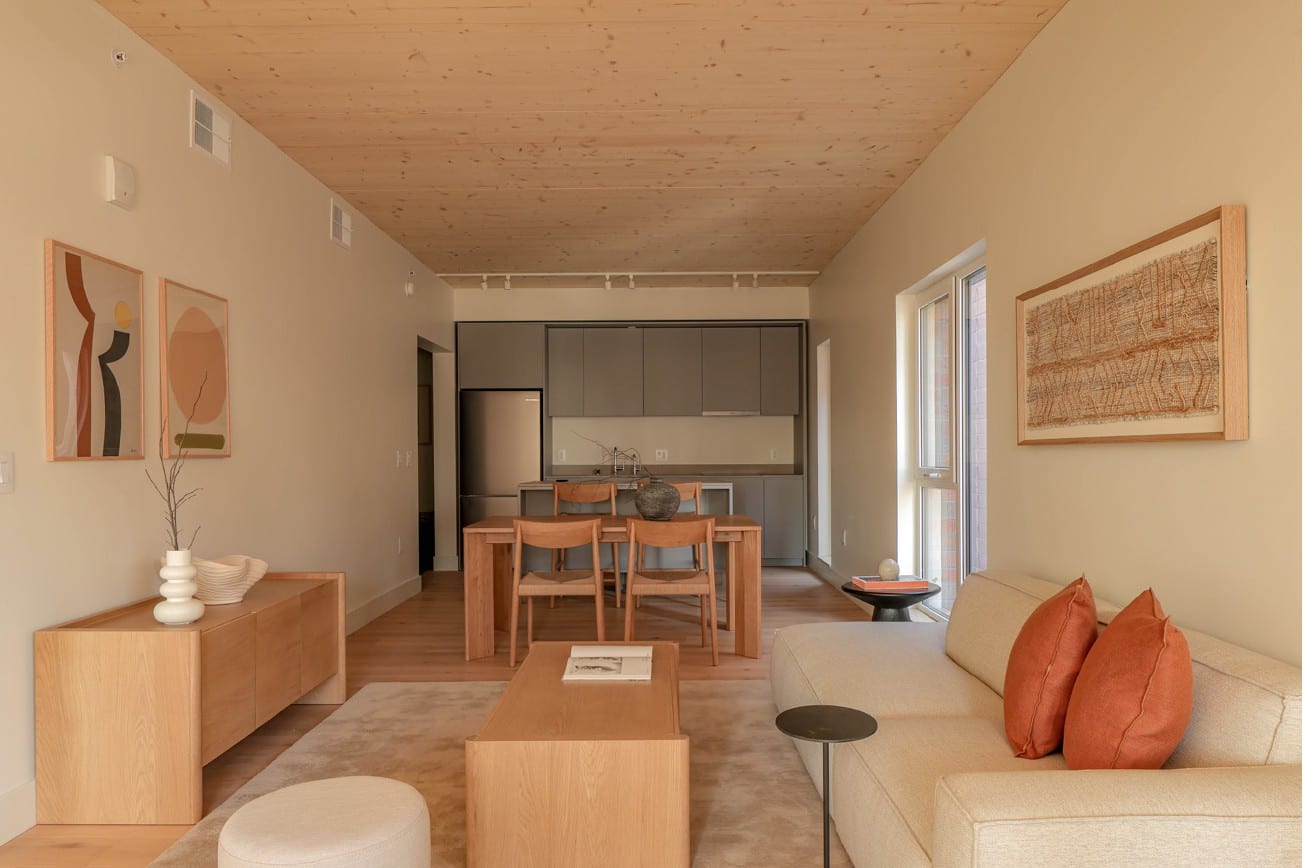
Our Income Trust is new, so its portfolio is too. The buildings we own average roughly one year old. They were designed to current codes, use less energy and are built to meet the carbon rules coming later this decade.
There is no backlog of deferred repairs and no older assets to sell at the wrong time. Capital goes into new, efficient buildings and into investor distributions, not into fixing the past.
Room to move
A focused fund can act quickly when the right acquisition appears, without first managing what it already owns. We expect our buildings to age, as every building does. The difference is that we start the clock today, with a plan to maintain them for the long term.